In today’s information age, information overload is a major point of concern.
The information overload actually indicates the availability of too much data that is beyond the manageable limits of the user and causes a big difficulty in all sorts of decision makings.
This problem occurs mainly when the system is unable to handle and process this huge amount of data in a systematic manner.
For example, in many e-commerce web applications, generally the user is presented with a plenty of options, but with a very limited time to explore them all.
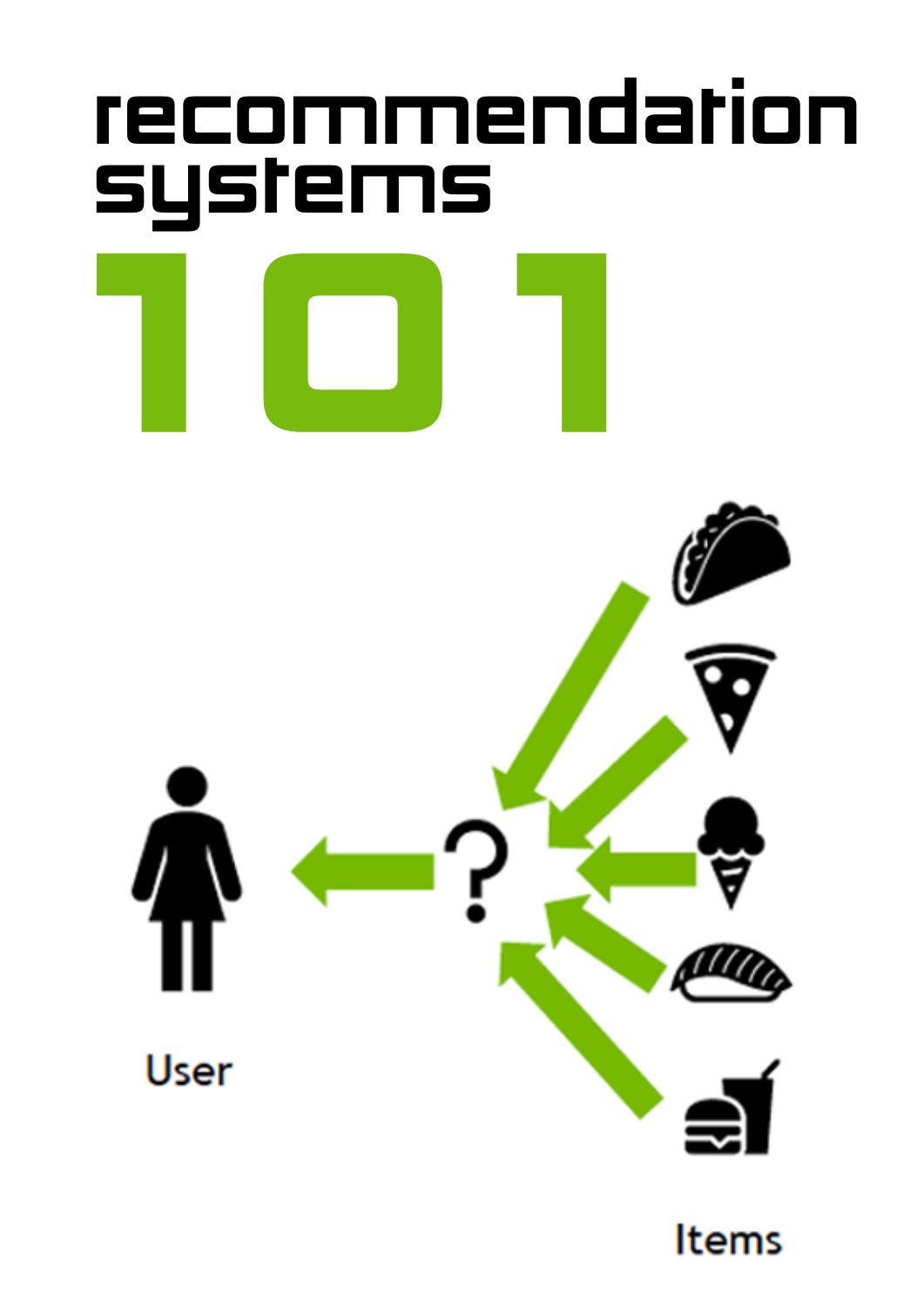
A recommendation system, the most powerful mechanism in this direction, attempts to tackle the information overload problem.
The RSs are software tools to help users in the decision-making process by applying information filtering, data mining, and prediction algorithms. This offers each user a variety of choices and options according to his or her interests and preferences.
This book explores the landscape of recommendation systems (RS) by investigating the diverse techniques employed to enhance user experience and provide personalisation across various domains.
It offers an overview of traditional RS approaches, such as collaborative filtering and content-based methods, elucidating their strengths and limitations.
Additionally, it examines more advanced techniques like knowledge-based RS, which utilise knowledge graphs (KGs) and large language model-based approaches.
The book also discusses the emergence of hybrid RS, which combine multiple methodologies for enhanced performance.
With RSs playing an increasingly crucial role in personalised user experiences, ongoing research and innovation are essential to tackle challenges and maximise effectiveness in real-world applications.
Everything You Need to Know Before Building Your Personalised Recommendation Engine is here!